For most Australians, Villers-Bretonneux is a name learned in school and rarely revisited. A small town on the Somme plain, 16 kilometres east of Amiens and 23,000 km from Melbourne in Australia, it occupies a place in our national story far larger than its size would suggest
On the night of 24 April 1918, Australian troops helped retake Villers-Bretonneux from German occupation. Many remain here still, buried in cemeteries on the edge of town beneath markers recording names and ages that should never have appeared on headstones.
The remembrance here is not performed for visitors. It has become part of the town itself. Australia did not simply help rebuild Villers-Bretonneux after the First World War; it became, quietly and permanently, part of what the town is.
Over the years the grief has ebbed but the marks have not. A tricolour flies beside a kangaroo on the Mairie crest. A kangaroo emblem appears on the local police station. Small Australian flags sit in garden beds. Street names, murals and school buildings carry traces of a relationship now more than a century old.
Victorian schoolchildren helped rebuild the town's school after the war. Above the covered playground of Victoria School, the words DO NOT FORGET AUSTRALIA remain.
What endures is not about war or commemoration. It is about what happens afterwards, when grief and gratitude are given a century to settle into the ordinary life of a place.
In 2013, Melbourne artist Kaff-Eine painted a mural in Villers-Bretonneux titled 'Cushion Me / Shelter Me', leaving unresolved a question that still lingers here:
who protects whom, and who comforts whom?
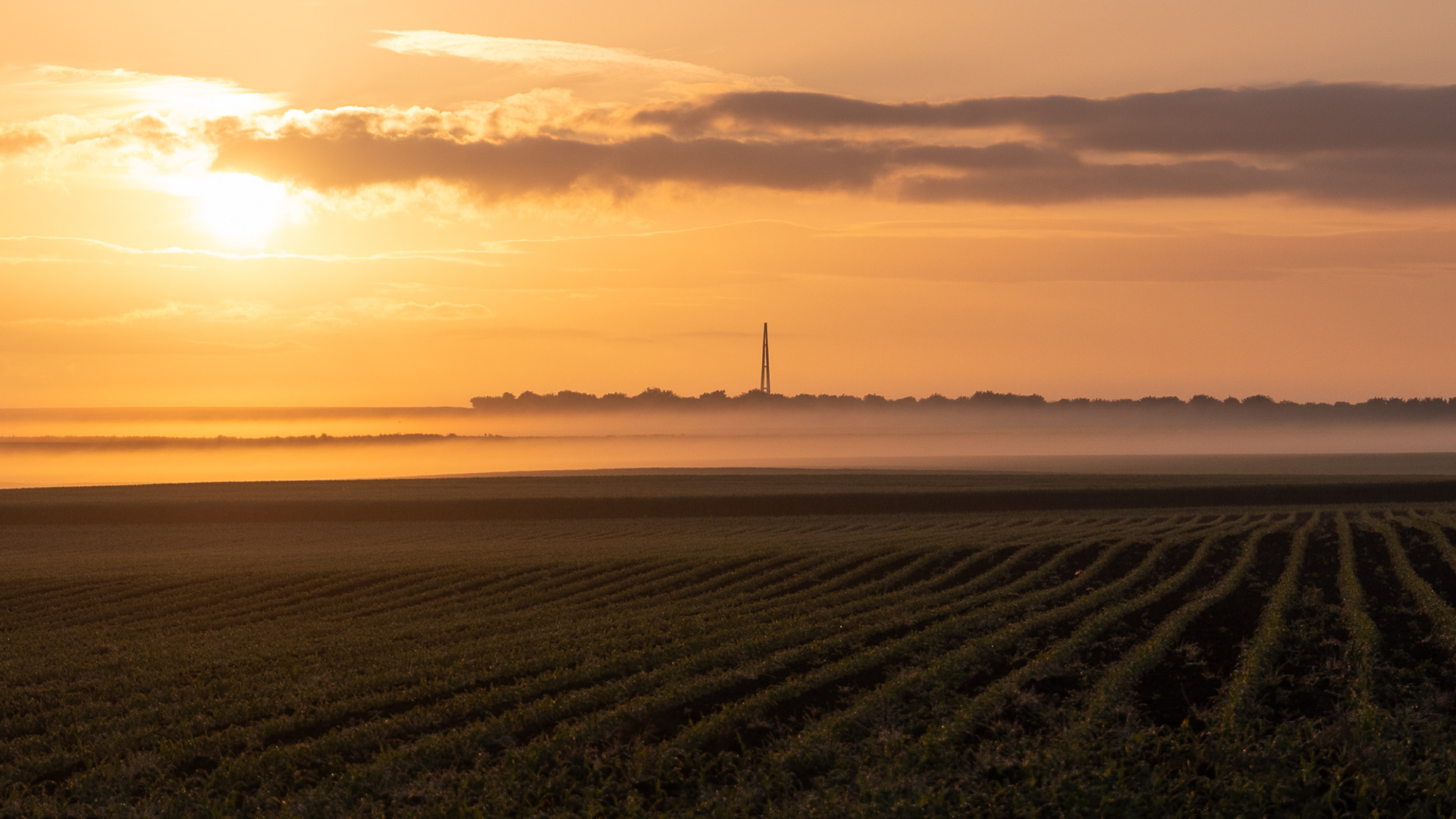
Rural field at dawn, 108 years after the fighting at Villers-Bretonneux on 24–25 April 1918. Morning mist settles across the landscape between the town and Hill 106, on the fields where Australian and German forces fought for control of Villers-Bretonneux. The Somme, France. May 2026. Photo: Jon L Arthur.
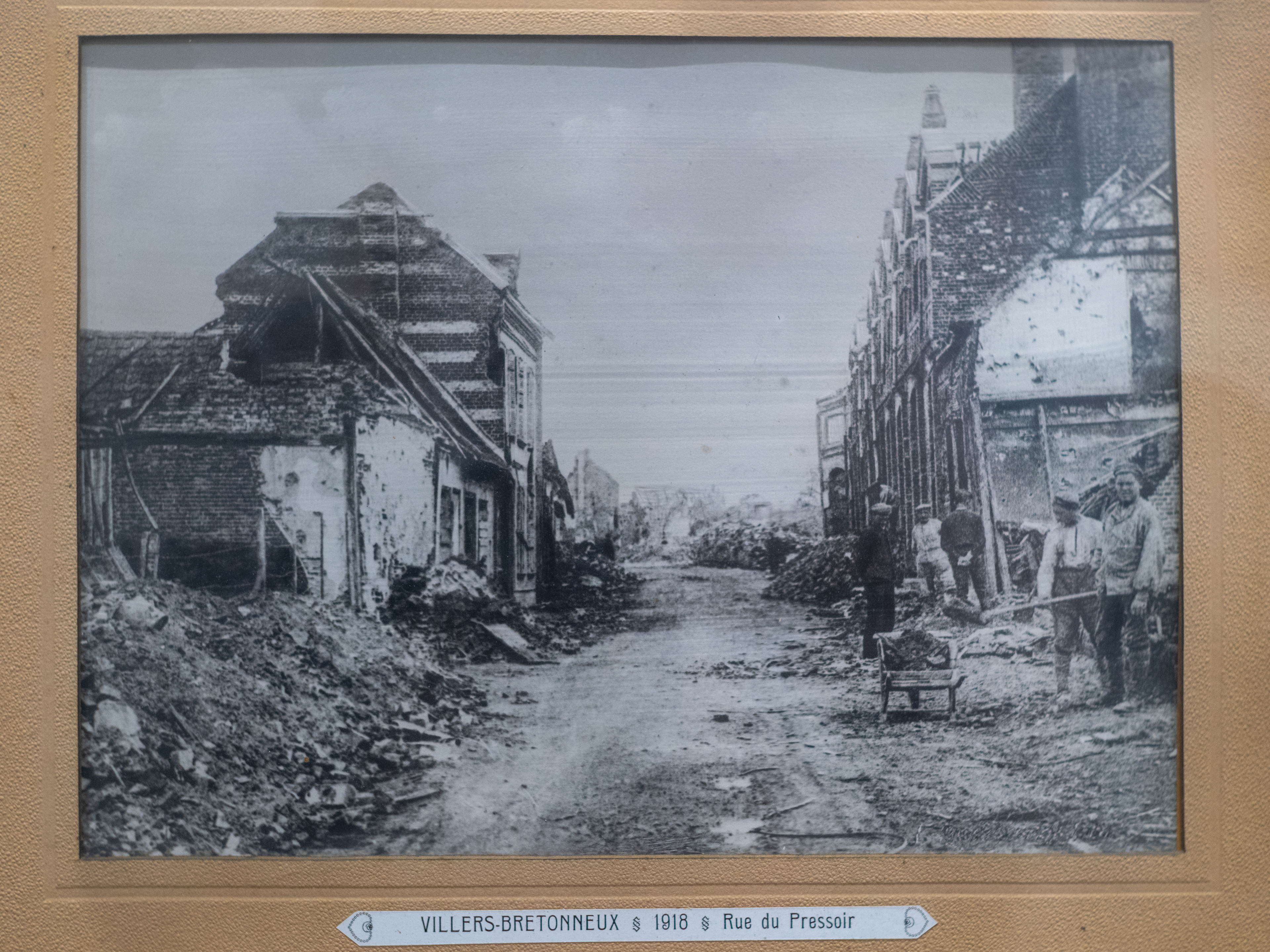
Archival photograph of Rue du Pressoir, Villers-Bretonneux, 1918, showing the destruction of the town following the battles prior to and including April 1918. Photographed in situ, Franco-Australie museum, Villers-Bretonneux, 2026. Photo: Jon L Arthur
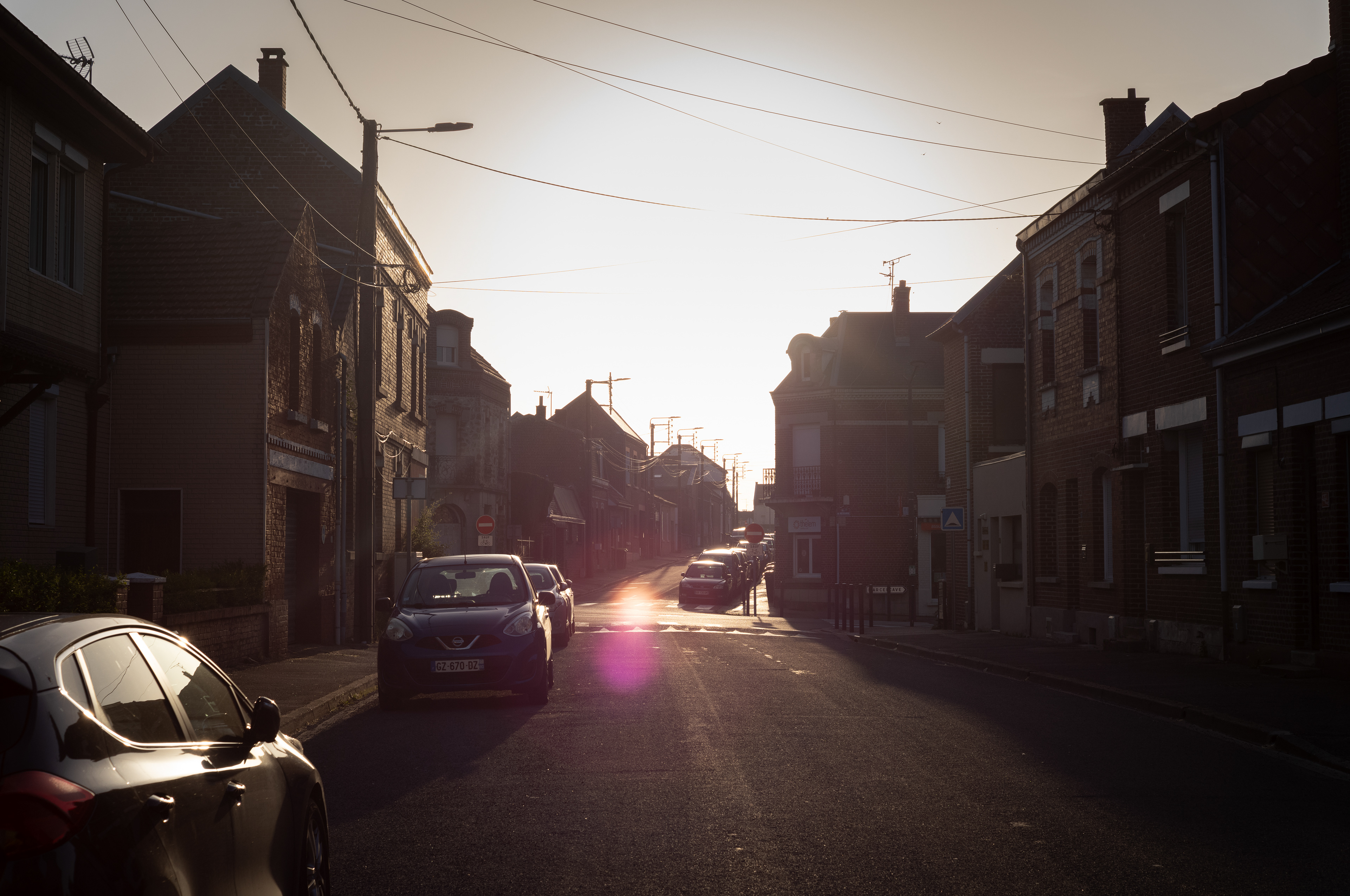
Residential street at dawn, Villers-Bretonneux, France, May, 2026 showing the typical nature of the village. The events that made the town known to generations of Australians are not immediately visible but subtly woven into the fabric of the town. Photo: Jon L Arthur
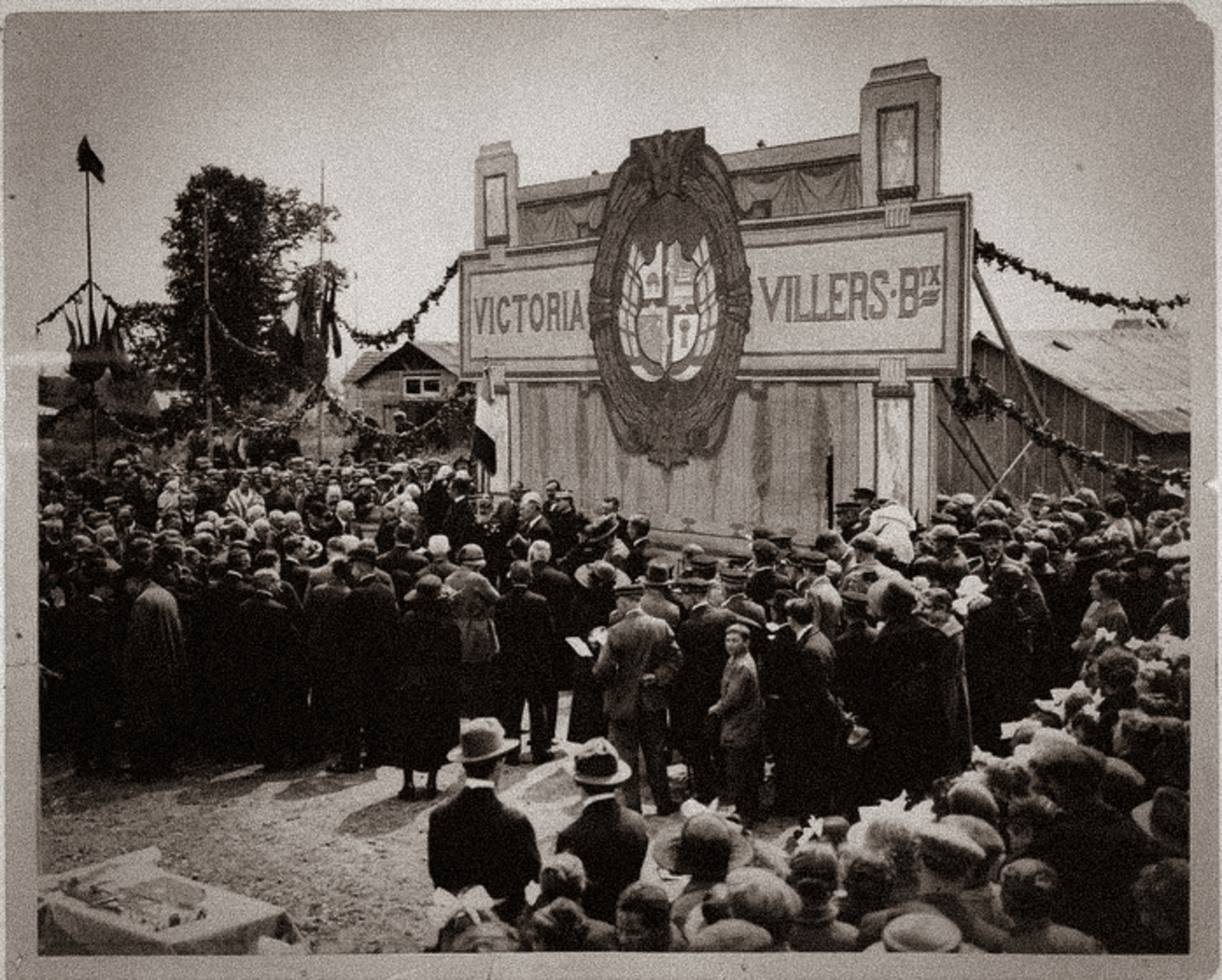
Archival photograph of the foundation stone laying ceremony for Victoria School, Villers-Bretonneux, France, 25 August 1921, during the visit of Australian Prime Minister W.M. Hughes. Photo: Jon L Arthur
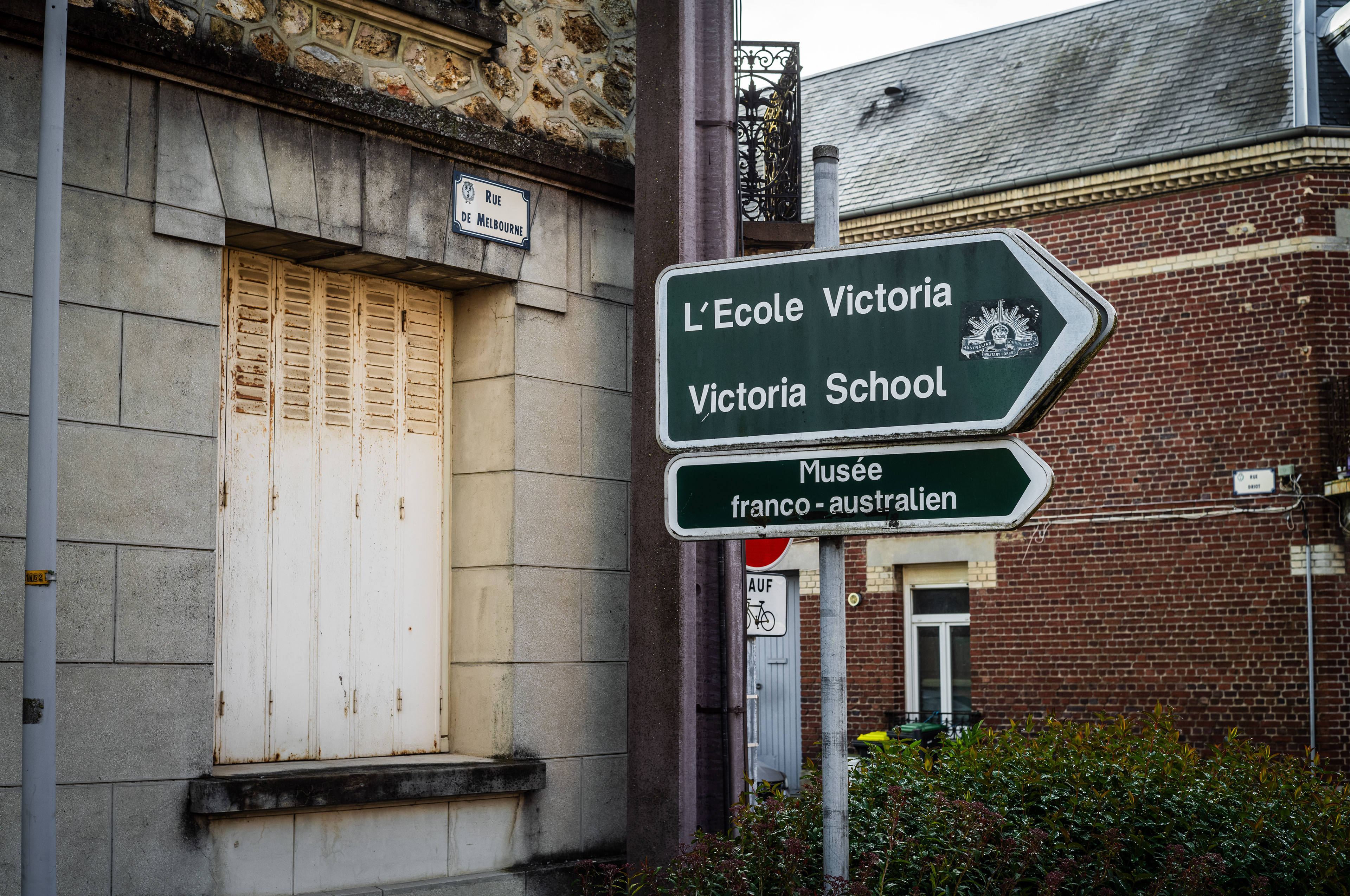
Street signs at the intersection of Rue de Melbourne, Villers-Bretonneux, France, May, 2026, pointing toward Victoria School and the Franco-Australian Museum. Many streets have been renamed using Australian town names. Photo: Jon L Arthur
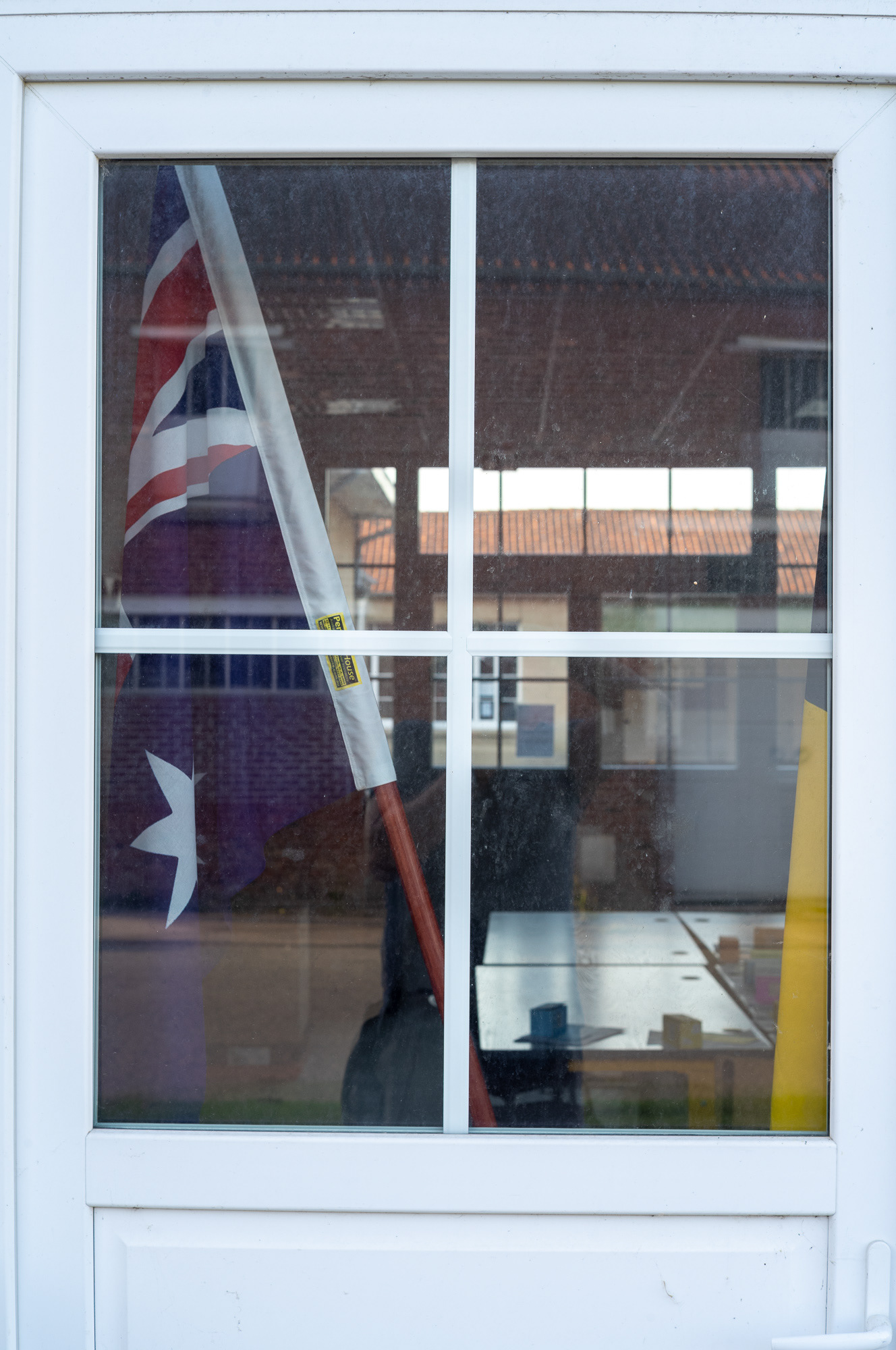
An Australian flag inside a classroom window, Victoria School, Villers-Bretonneux, France, May, 2026. The school was rebuilt with donations from the state of Victoria following the destruction of the town in 1918. A century later a flag still adorns the classroom. Photo: Jon L Arthur
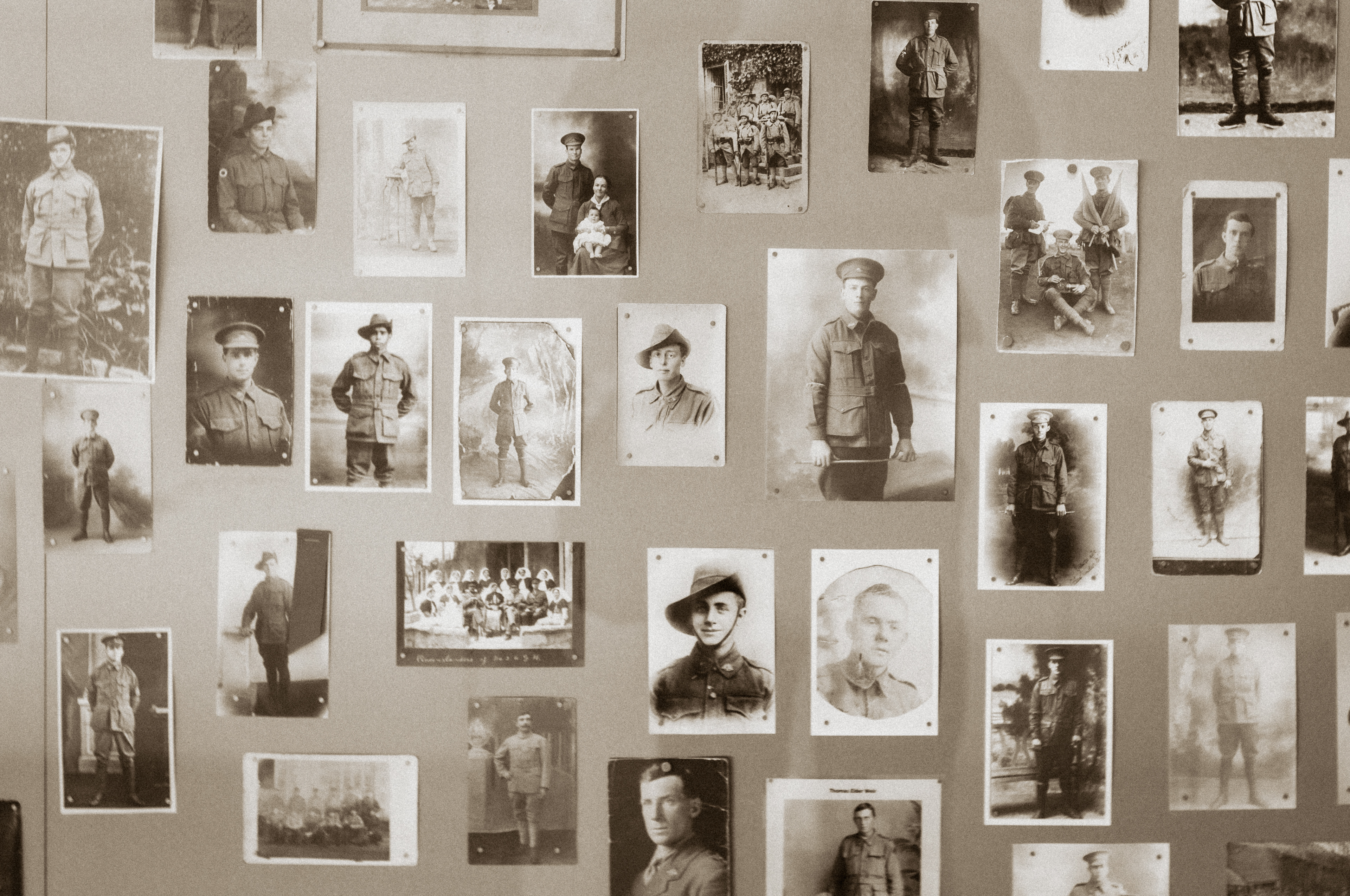
Archival portrait photographs of Australian soldiers displayed in the Musée franco-australien, Villers-Bretonneux, France. Photo: Jon L Arthur
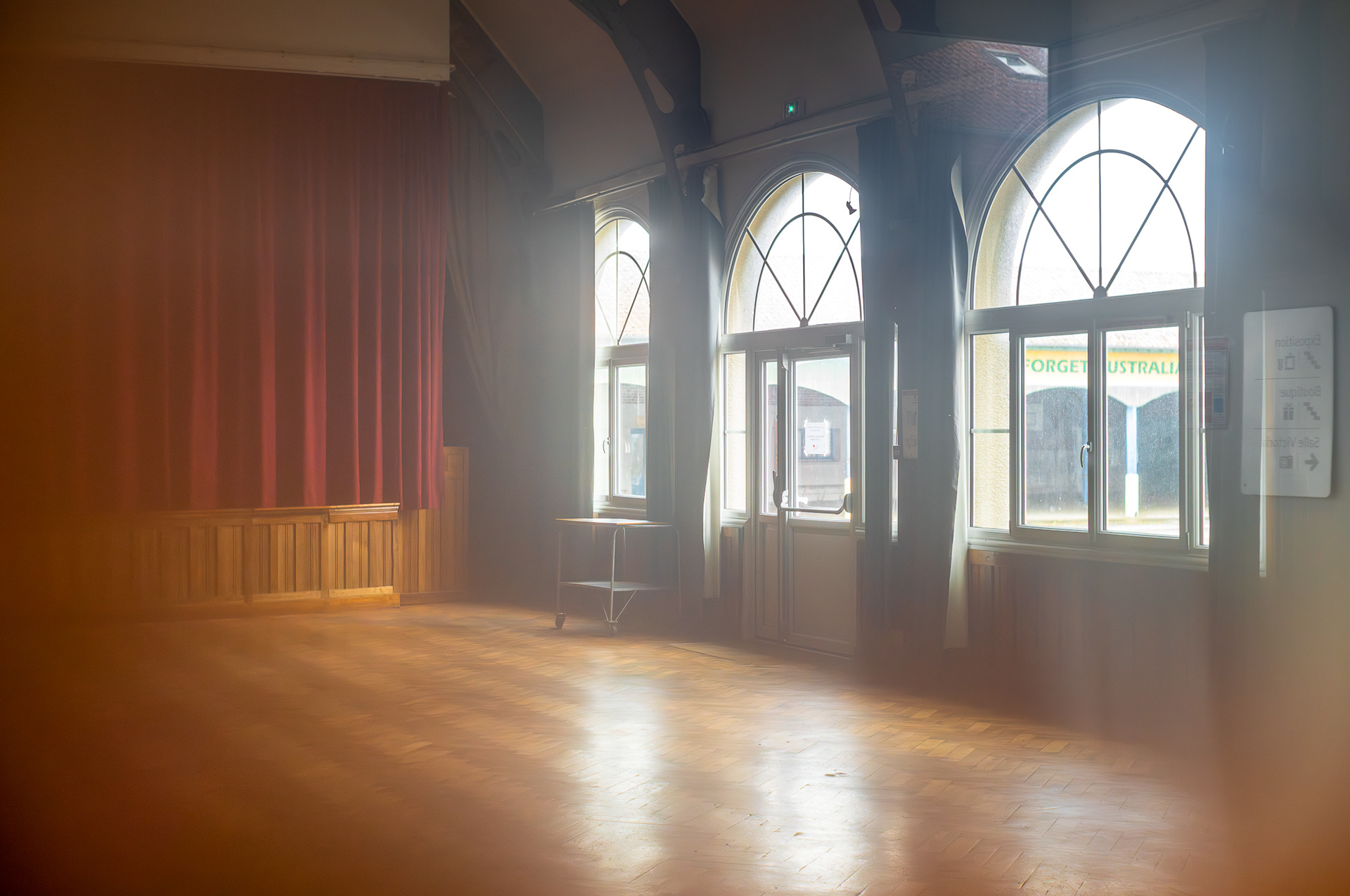
The assembly hall of Victoria School, Villers-Bretonneux, France, May, 2026, with the words "Don't Forget Australia" visible through the windows on the building opposite. Assembly Halls are quintessentially Australian but very uncommon in France. Photo: Jon L Arthur
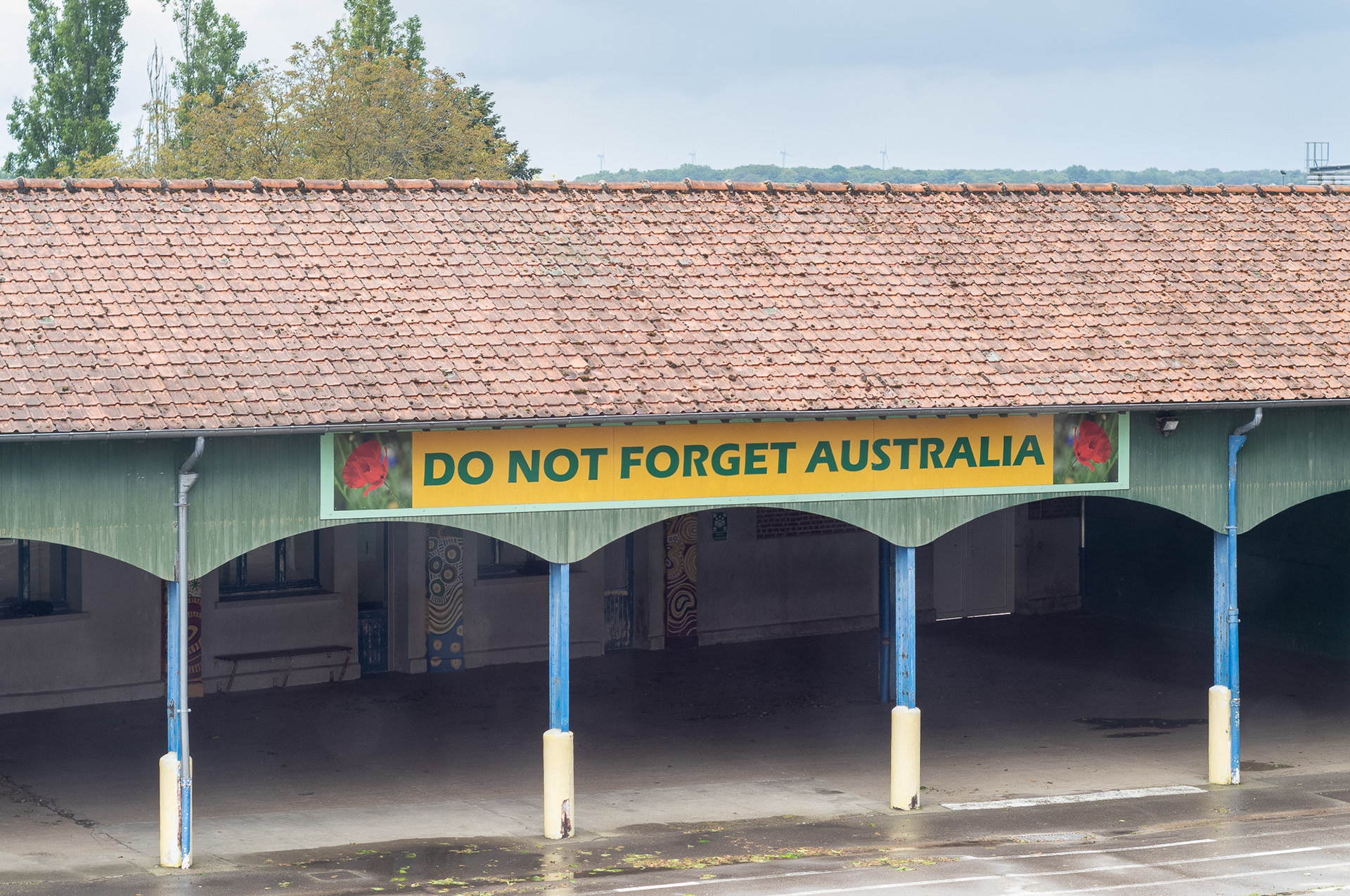
A ‘Do Not Forget Australia’ sign sits above the covered playground of Victoria School, Villers-Bretonneux, France, May, 2026. Aboriginal-inspired artwork is painted on the columns beneath. The sign has overlooked the playground for generations of schoolgoers. Photo: Jon L Arthur
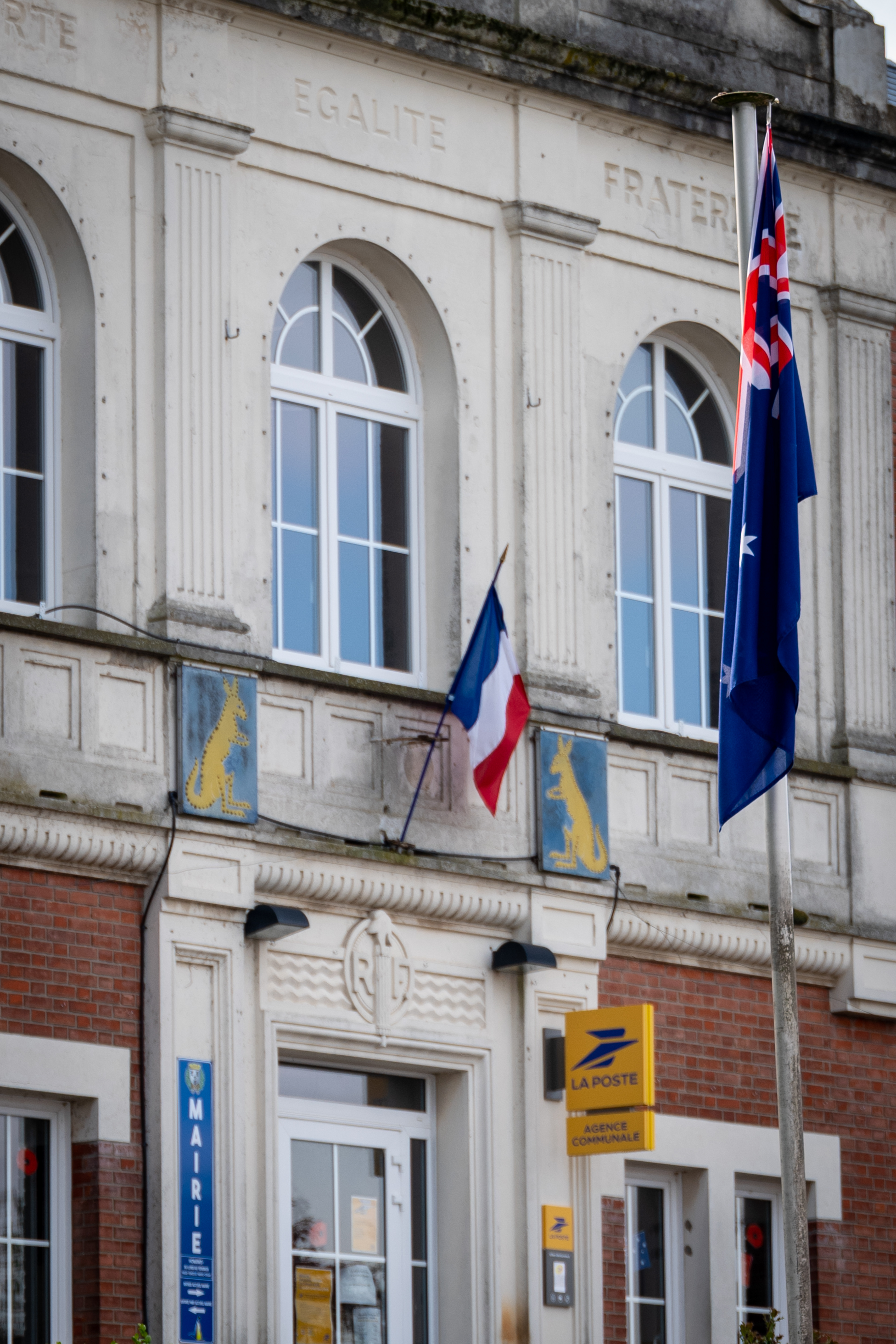
The façade of the Mairie, Villers-Bretonneux, France, May, 2026, showing the French tricolour and the town's official kangaroo emblem. The word "Fraternité" is carved into the stonework above. A French ‘Mairie’ is equivalent to a council chamber in Australia. Photo: Jon L Arthur
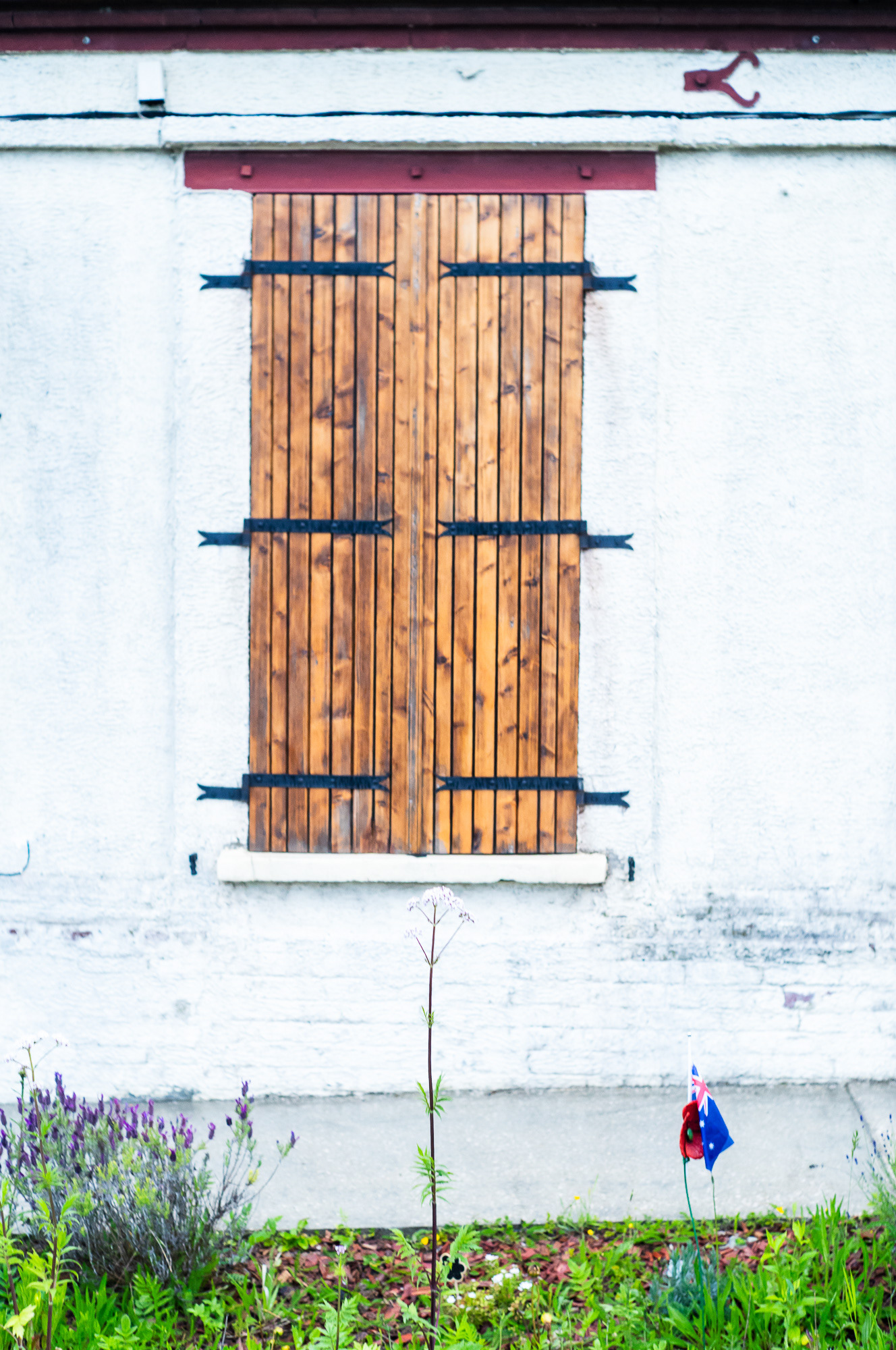
A small Australian flag and poppy planted in a garden border beside a shuttered building, Villers-Bretonneux, France, May, 2026. The tie between countries is subtle but ever present. Photo: Jon L Arthur
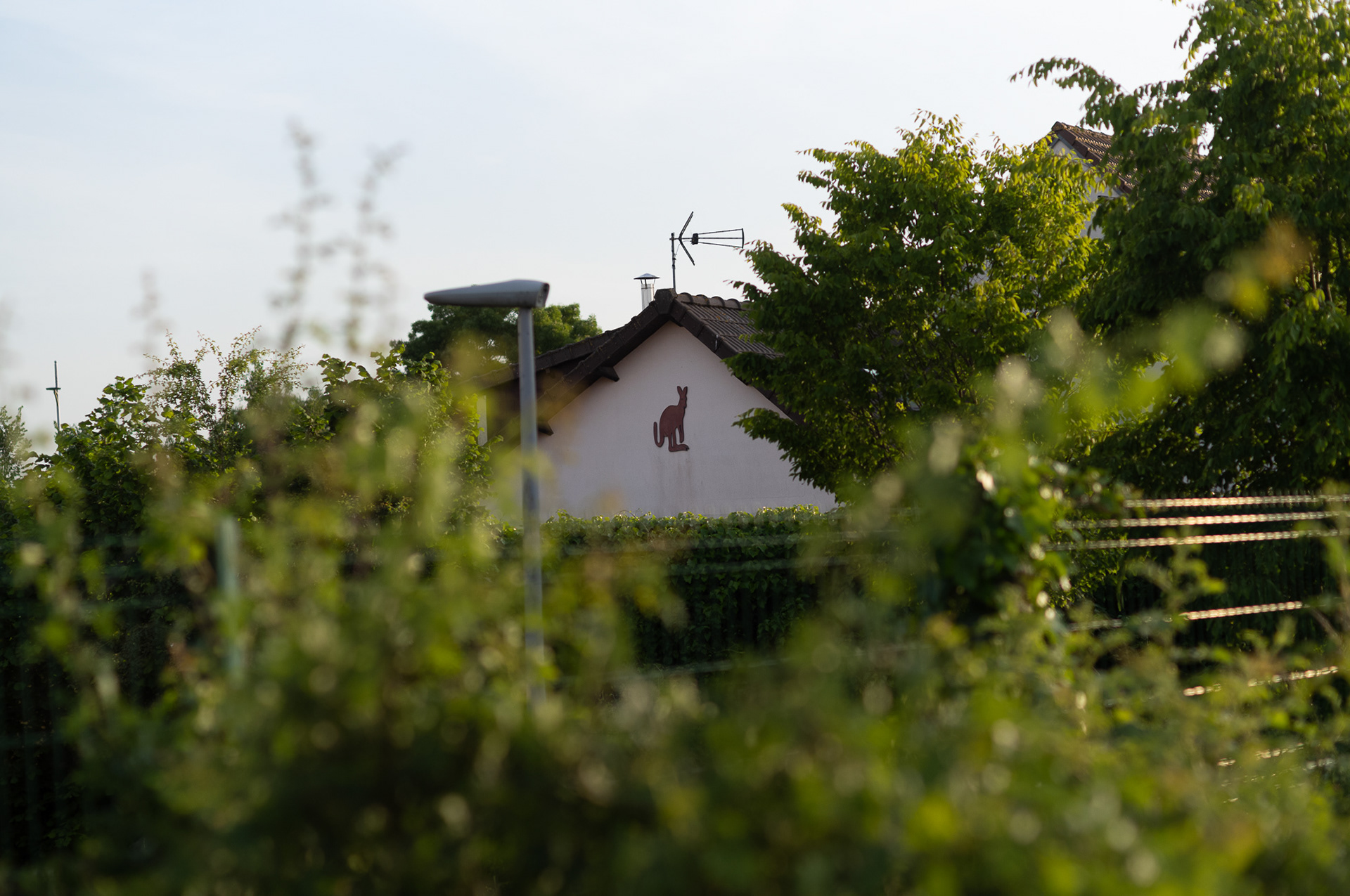
Kangaroo motif on a gable of a private residence, Villers-Bretonneux, May, 2026 acts as a subtle reminder of the gratitude of the community to the sacrifice of men from across the globe. Photo: Jon L Arthur
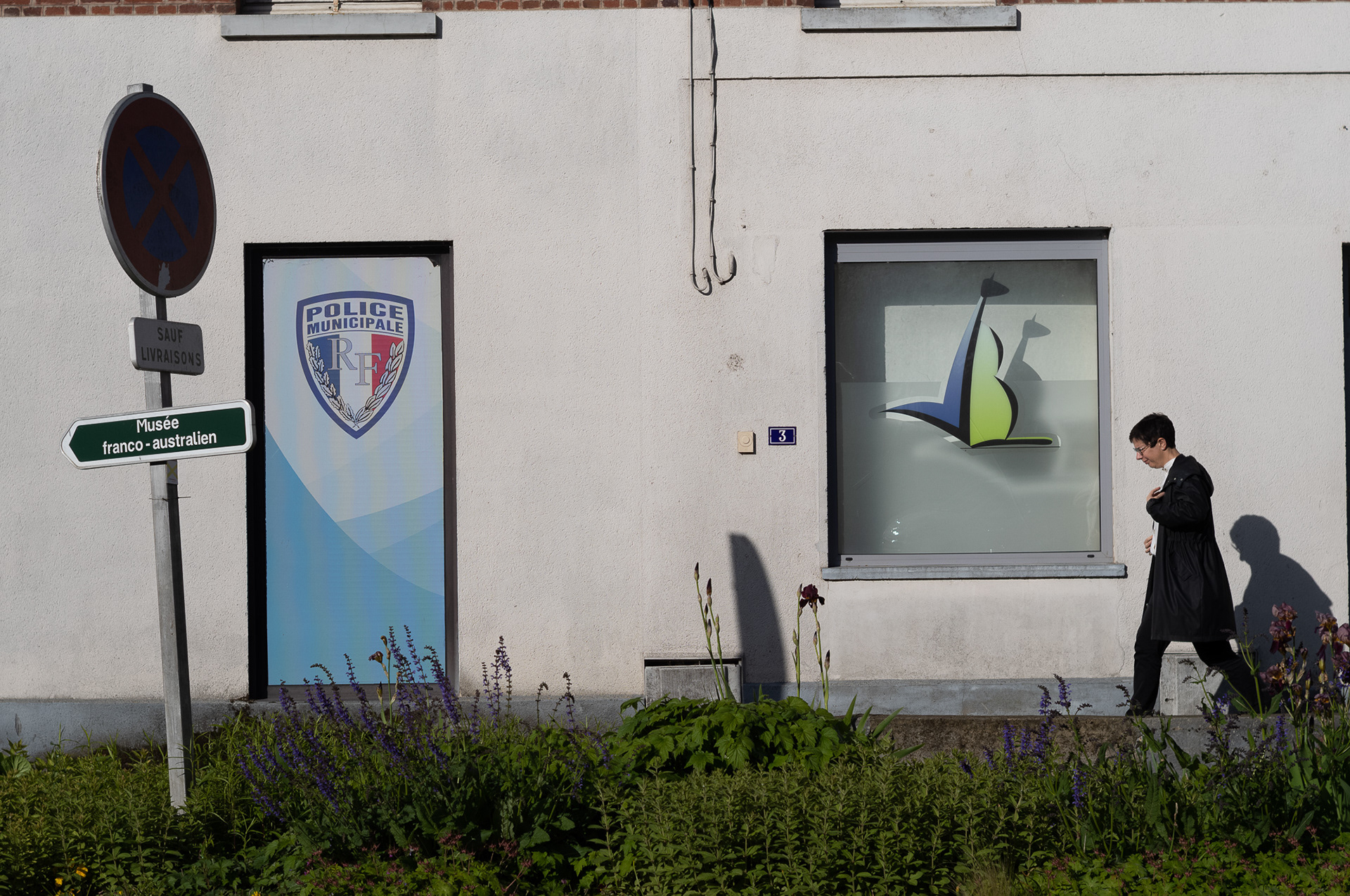
A street scene in Villers-Bretonneux, France, showing the Police Municipale entrance, the official kangaroo emblem of the town council. A street sign to the Musée franco-australien whilst a pedestrian passes without pausing, May, 2026. Photo: Jon L Arthur
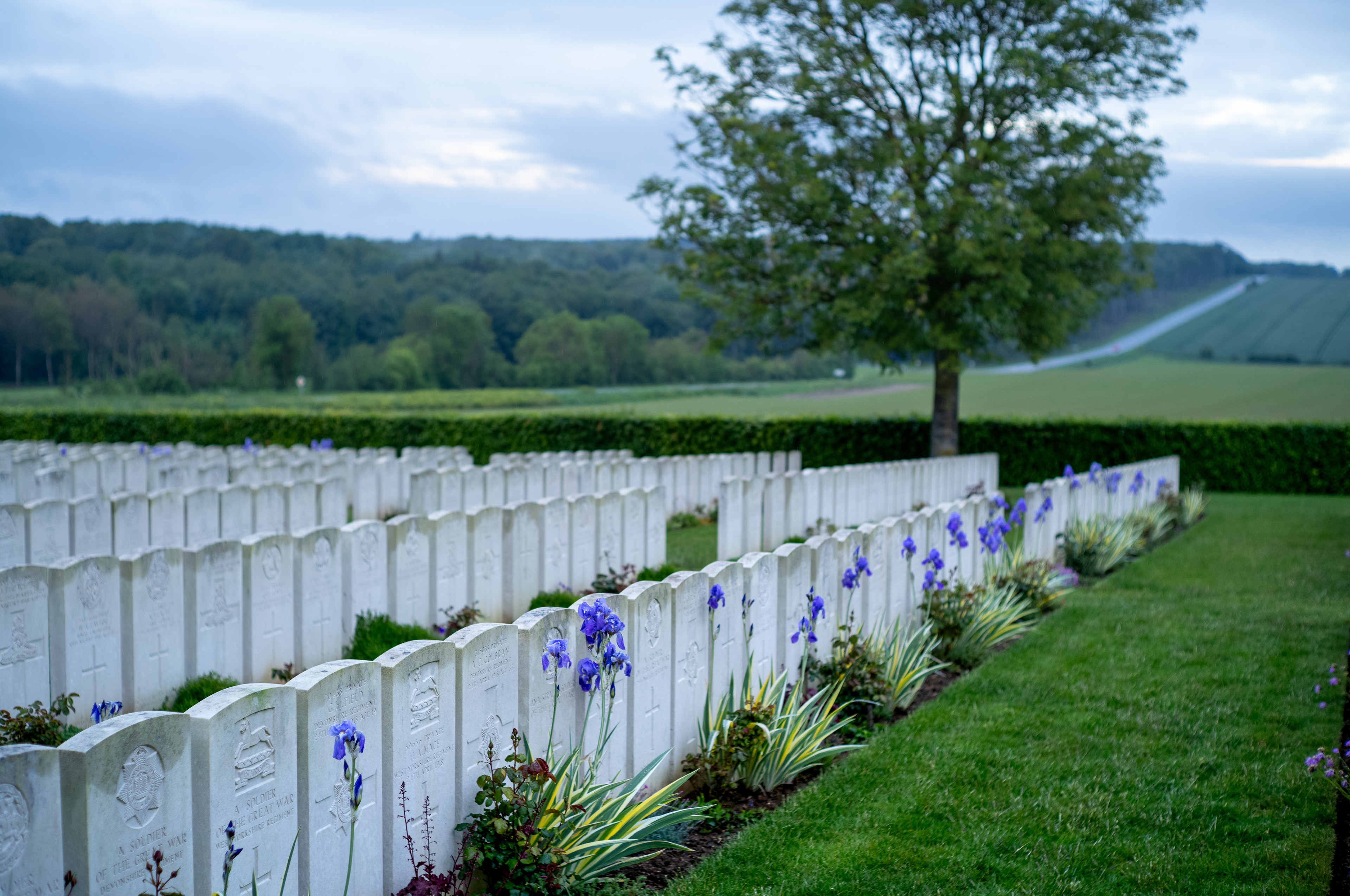
Adelaide Cemetery, Villers-Bretonneux, France lies at the northwestern edge of town, where the streets give way to the open Somme plain. Established in 1918/19 to inter the fallen Australian and Commonwealth soldiers it is the lesser-known but original cemetery most tied to the battle. Photo: Jon L Arthur
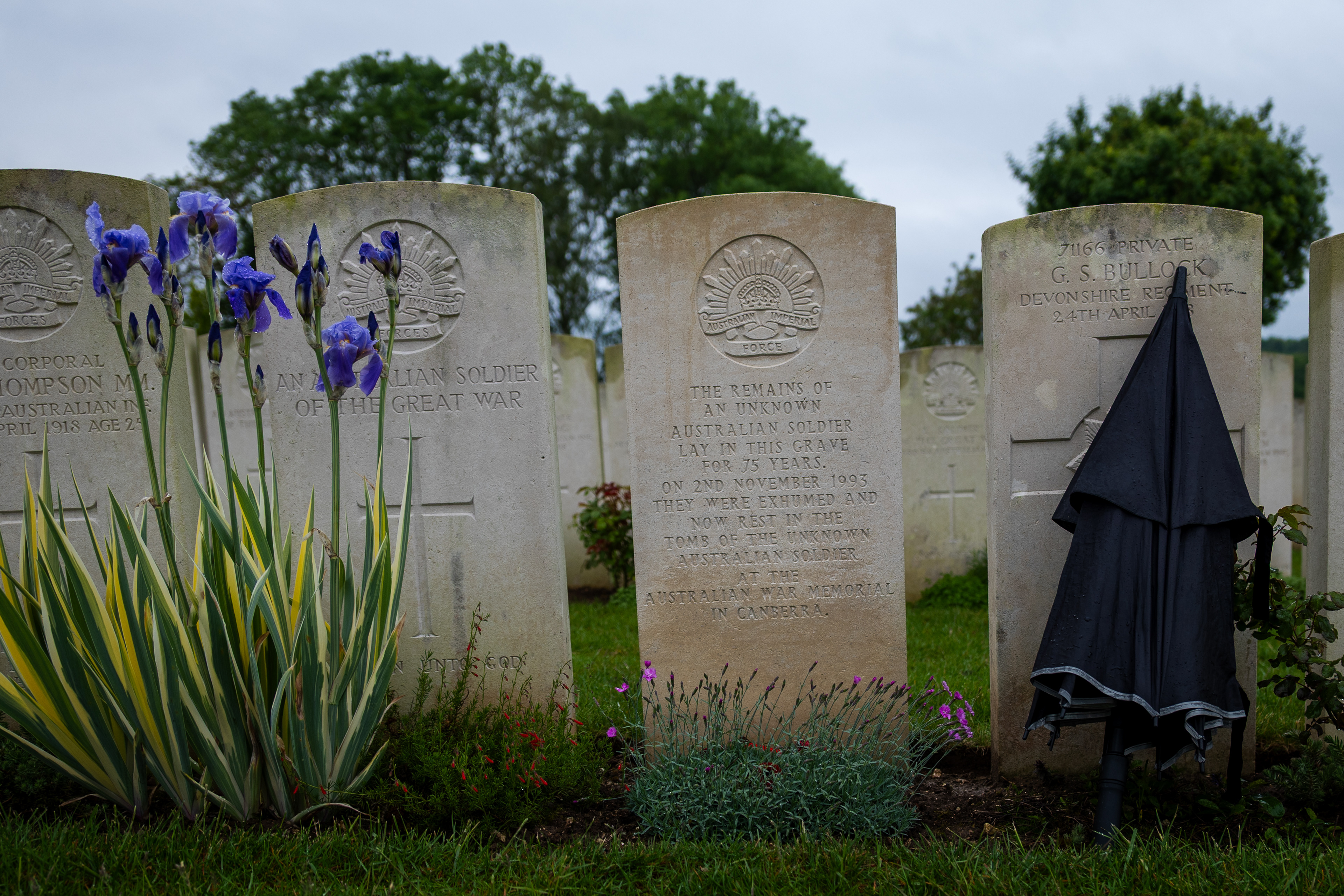
The original grave of the Unknown Australian Soldier, Adelaide Cemetery, Villers-Bretonneux, France, May, 2026. The remains lay here for 75 years before being exhumed on 2 November 1993 and interred at the Australian War Memorial, Canberra. Photo: Jon L Arthur
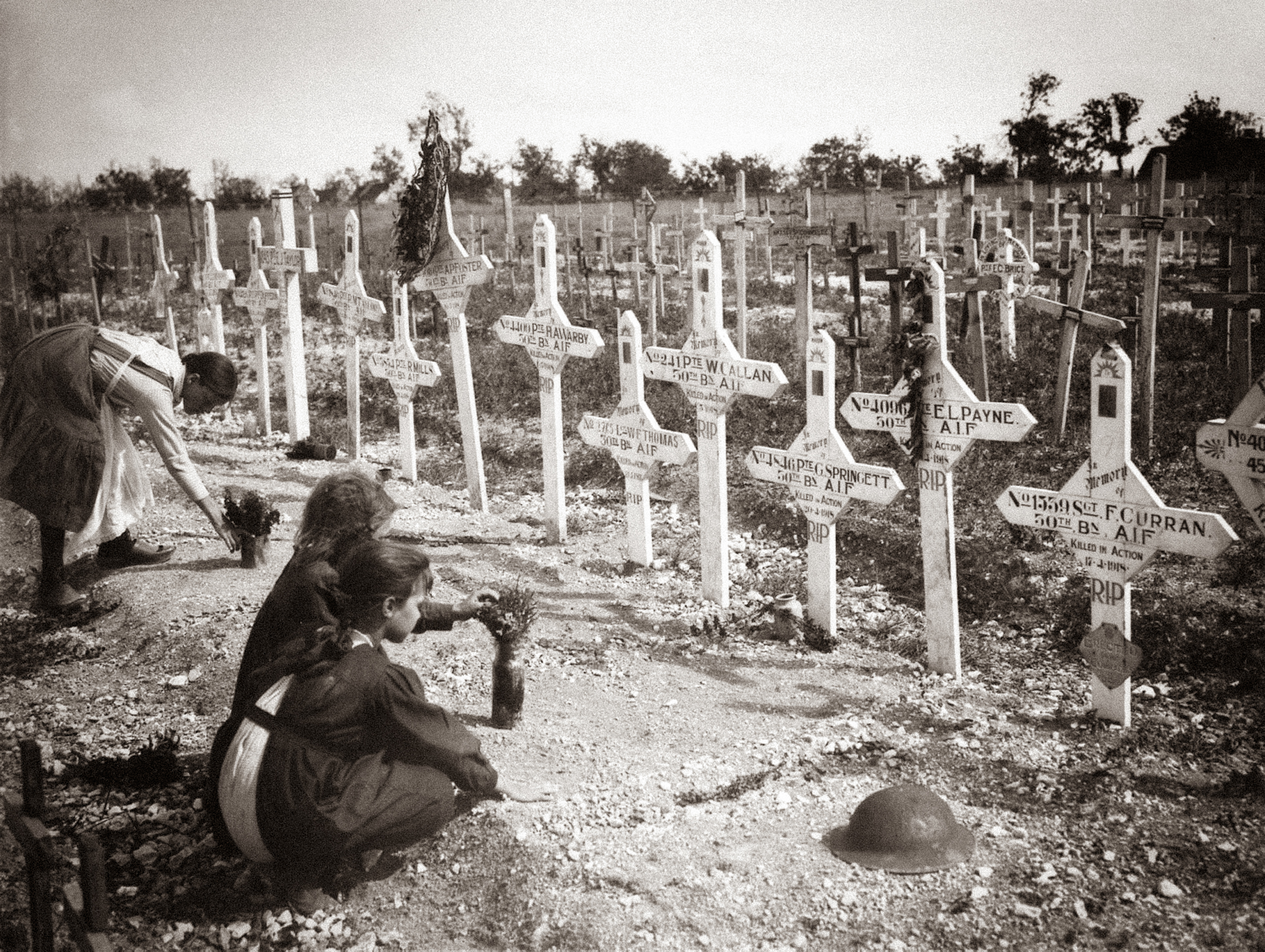
Reproduction of a period photograph showing French civilians tending the graves of Australian soldiers at Adelaide Cemetery, Villers-Bretonneux, France, c.1918–1919. Photographed in situ at the Musée Franco-Australien, Villers-Bretonneux, 2026. Photo: Jon L Arthur.
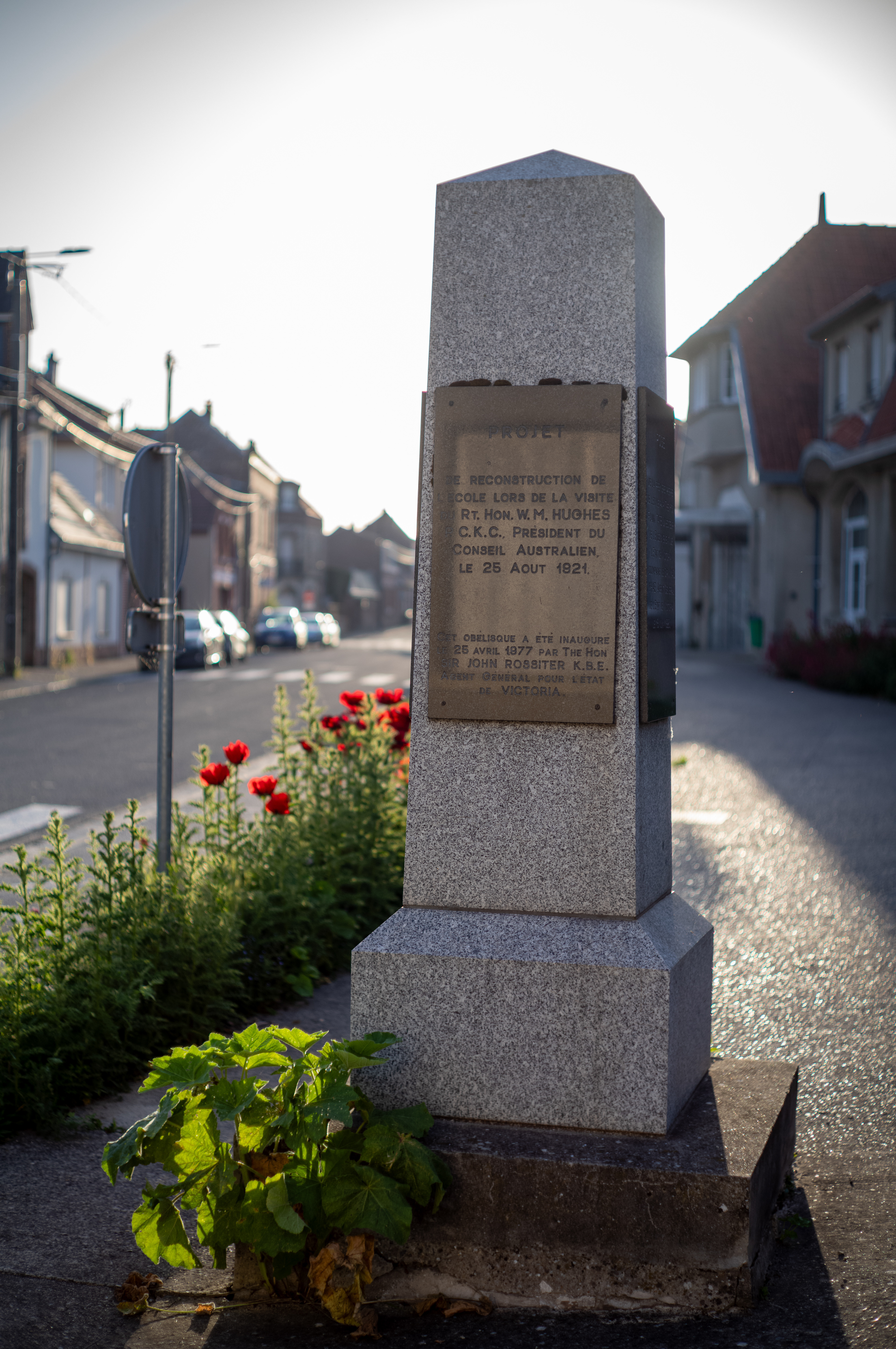
The reconstruction obelisk, on a street corner in Villers-Bretonneux, France, May, 2026 commemorating the reconstruction of Victoria School and the visit of Australian Prime Minister W.M. Hughes on 25 August 1921. Photo: Jon L Arthur
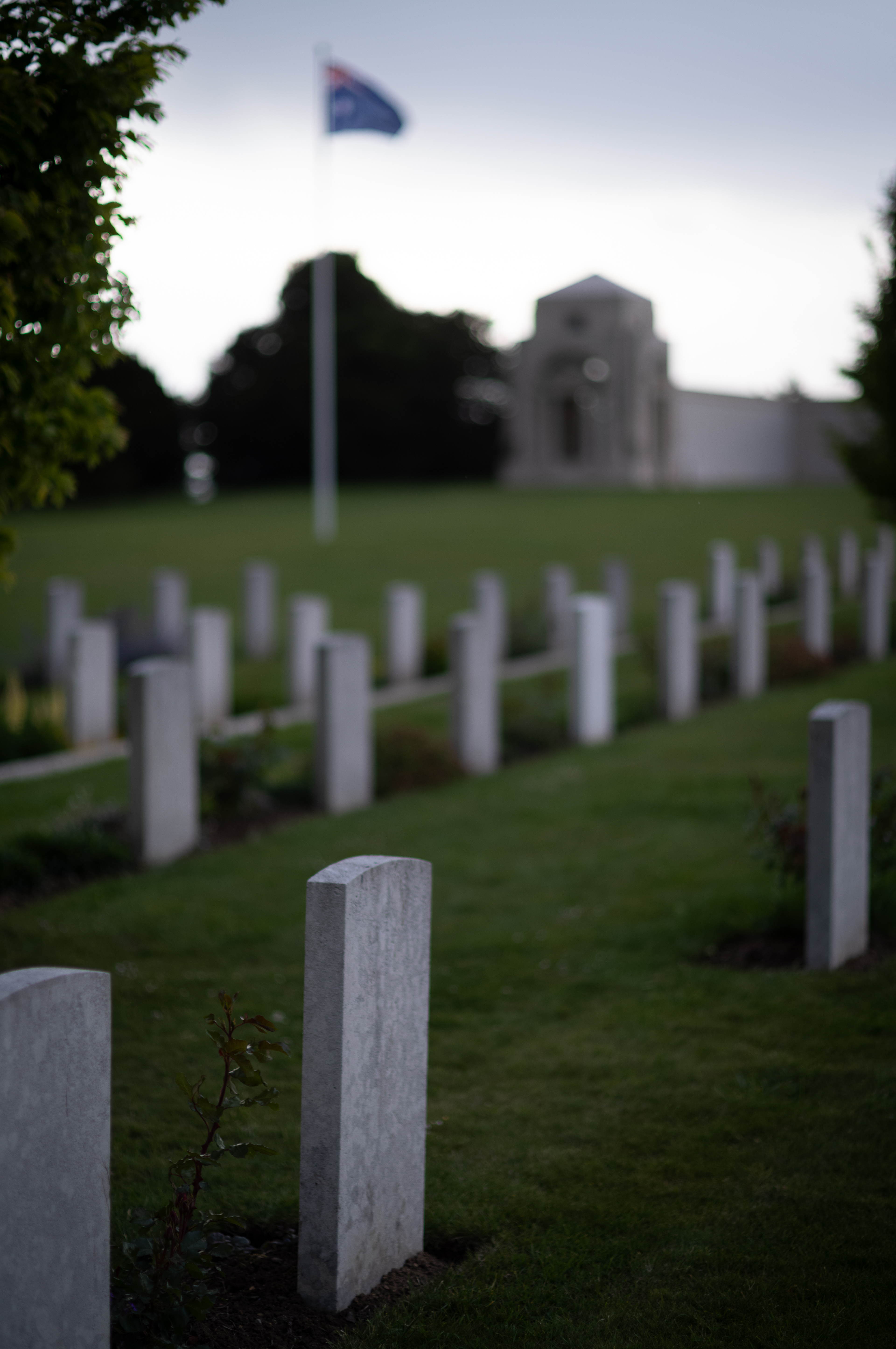
The Australian National Memorial at dusk, Villers-Bretonneux, France, May, 2026. The memorial commemorates the 10,982 Australian soldiers who died on the Western Front and have no known grave. Housing a memorial and a tourist information centre it is the most visited site in the region by Australian tourists with 5000 people attending Anzac Day commemorations in 2025. Photo: Jon L Arthur
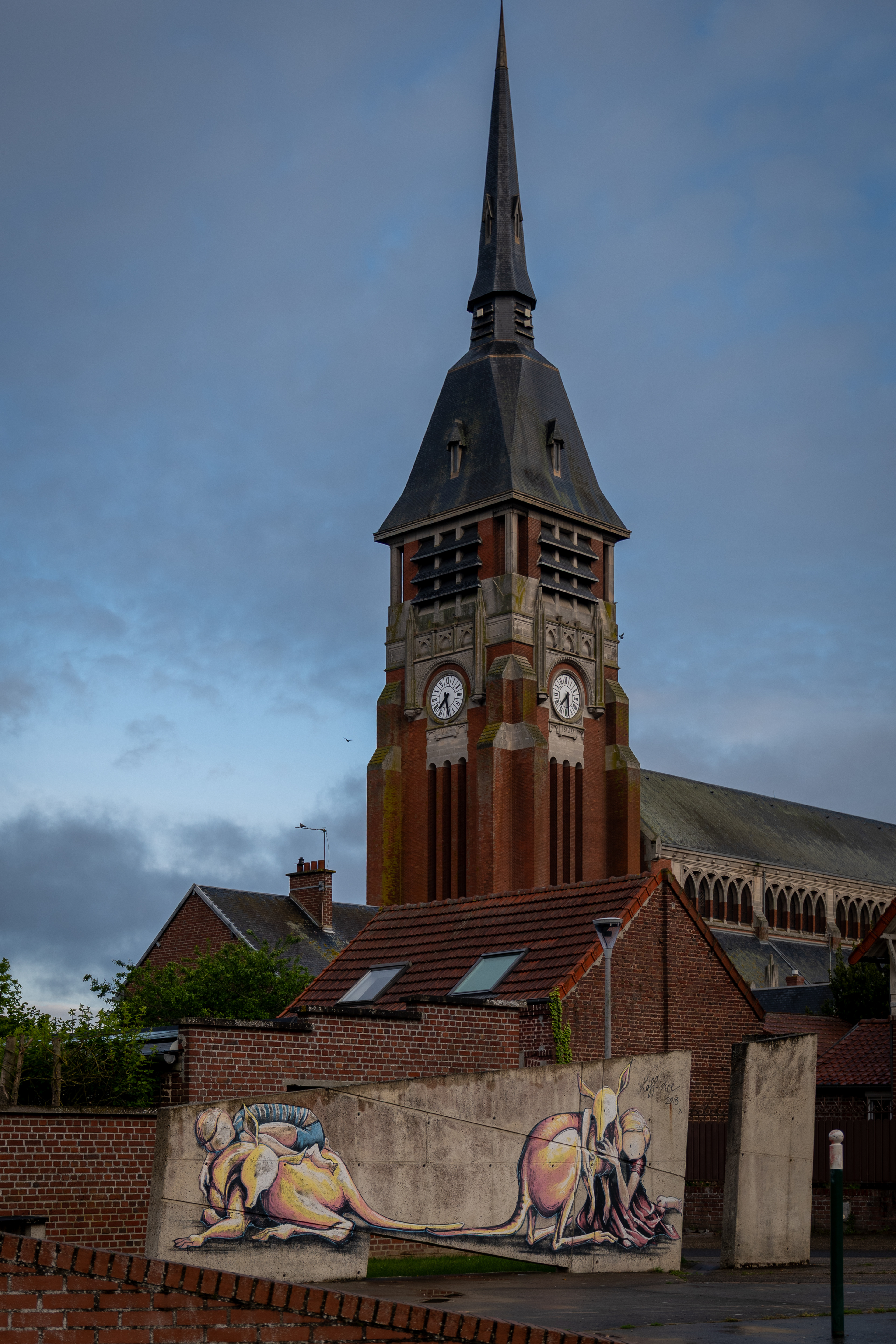
The Cushion Me / Shelter Me mural showing the reciprocal relationship between Australia and Villers-Bretonneux by Australian street artist Kaff-Eine, 2013, painted in the town square with the church visible behind, Villers-Bretonneux, France, May, 2026. Photo: Jon L Arthur
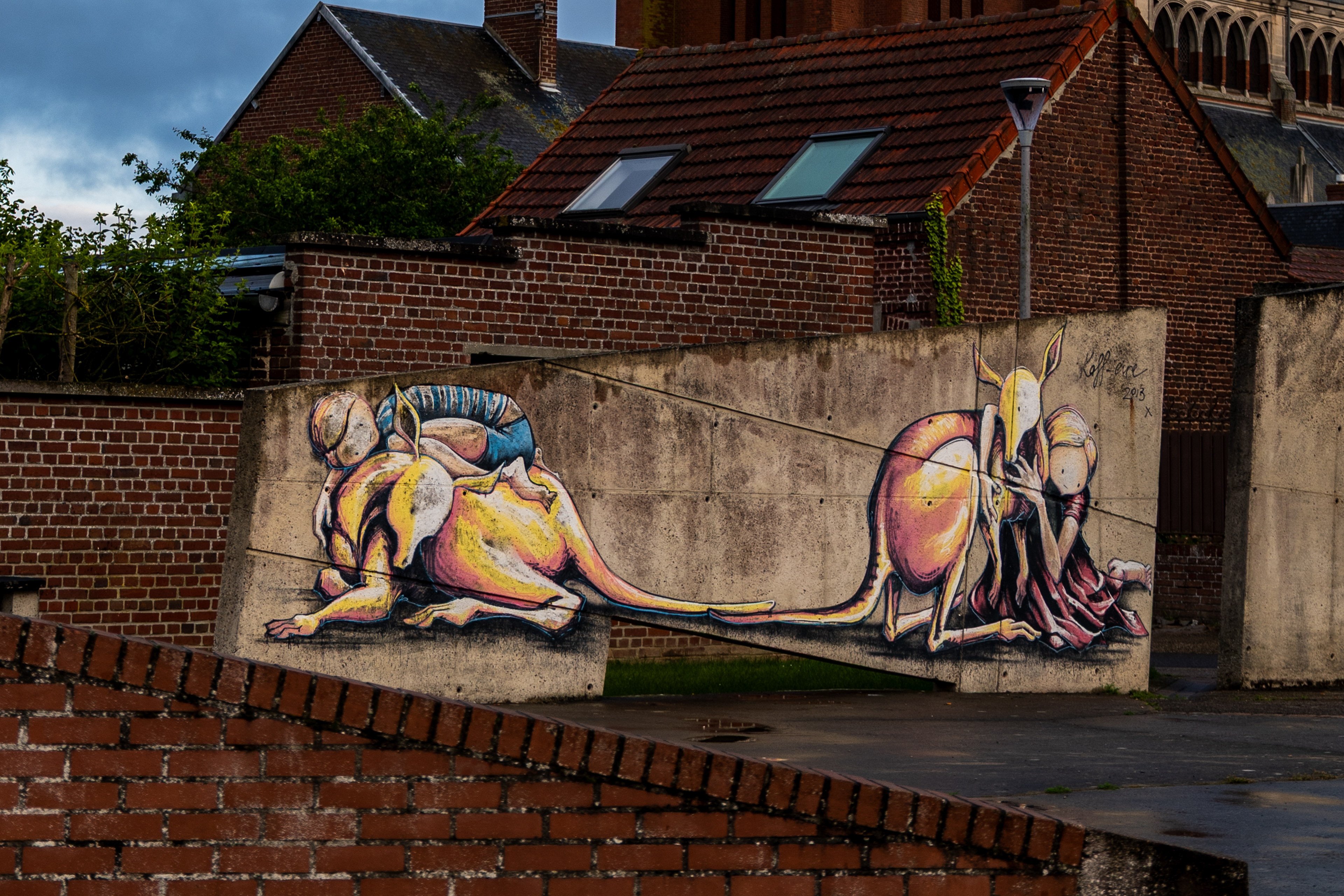
An intimate view of the ‘Cushion Me / Shelter Me’ mural by Australian street artist Kaff-Eine, Villers-Bretonneux, France, 2013. A human figure and a kangaroo cushion and shelter each other on a concrete wall representing the reciprocal relationship between the town and Australia. Photo: Jon L Arthur